
Our Strategy

Market Analysis

Target Groups

  • Underprivileged children in Jammu & Kashmir
  • Women in rural and marginalized communities
  • Animal welfare organizations and activists
  • Educational institutions and NGOs
  • Government schemes and CSR funds
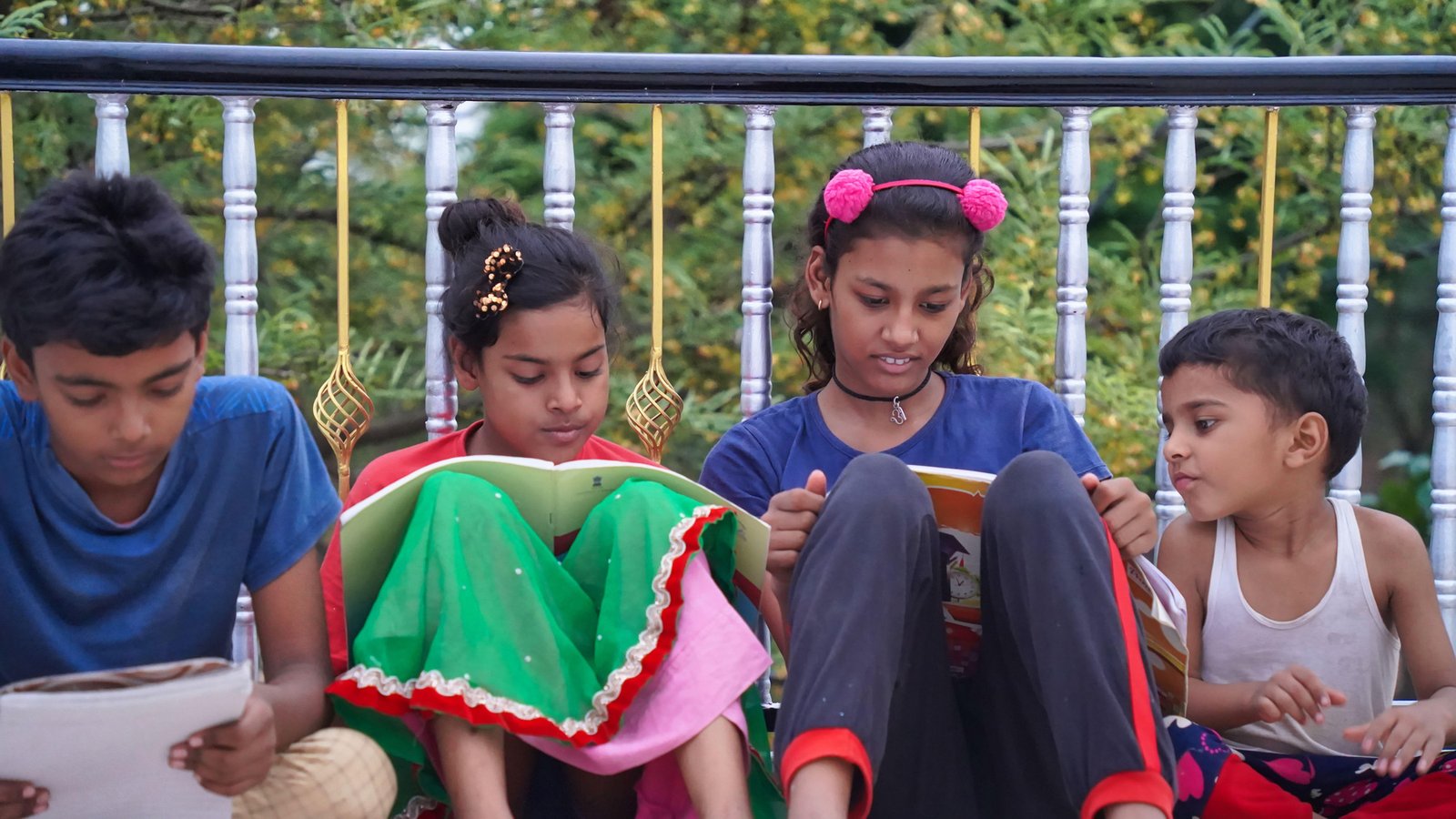
World Map Image Children Reading
Go-To-Market Strategy
1
Community Engagement: Leverage local partnerships and community leaders to build awareness and support.
2
CSR Partnerships: Collaborate with corporations for CSR funding, especially focusing on education and skill development.
3
Online Campaigns: Utilize social media platforms to raise awareness and generate donations for animal shelters and skill programs.
4
Government Schemes: Apply for government grants and schemes focused on rural development, education, and women empowerment.
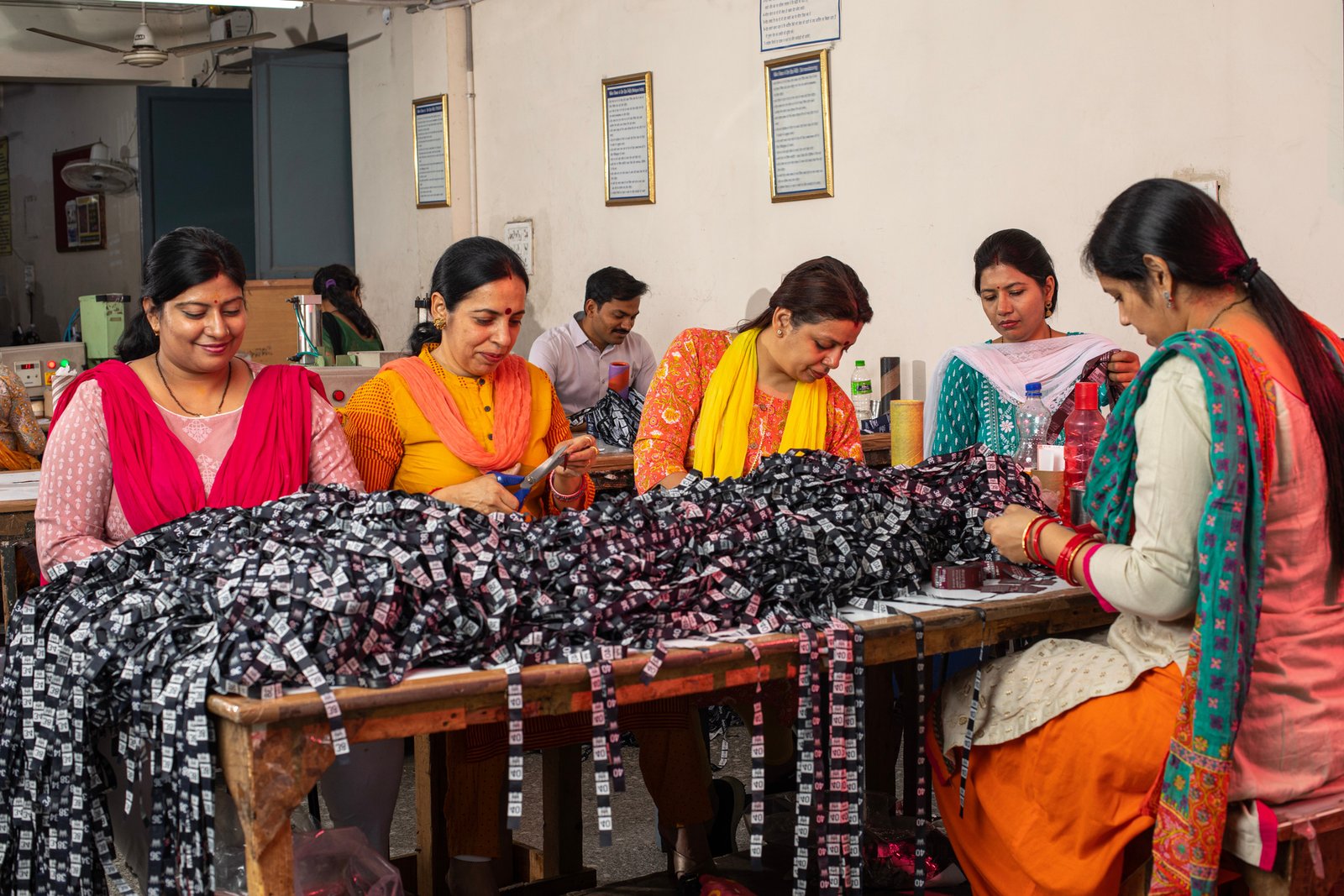
Skill Development Animal Shelter
Revenue Model — Rah

Revenue Model

Donations & Grants:

Primary revenue source from individual donations, CSR contributions, and government schemes.

Partnerships with Government Programs:

Collaborating with government-run initiatives and schemes aimed at rural development, education, and women empowerment. Funding or project support for implementing programs at the grassroots level.
Corporate Sponsorships:

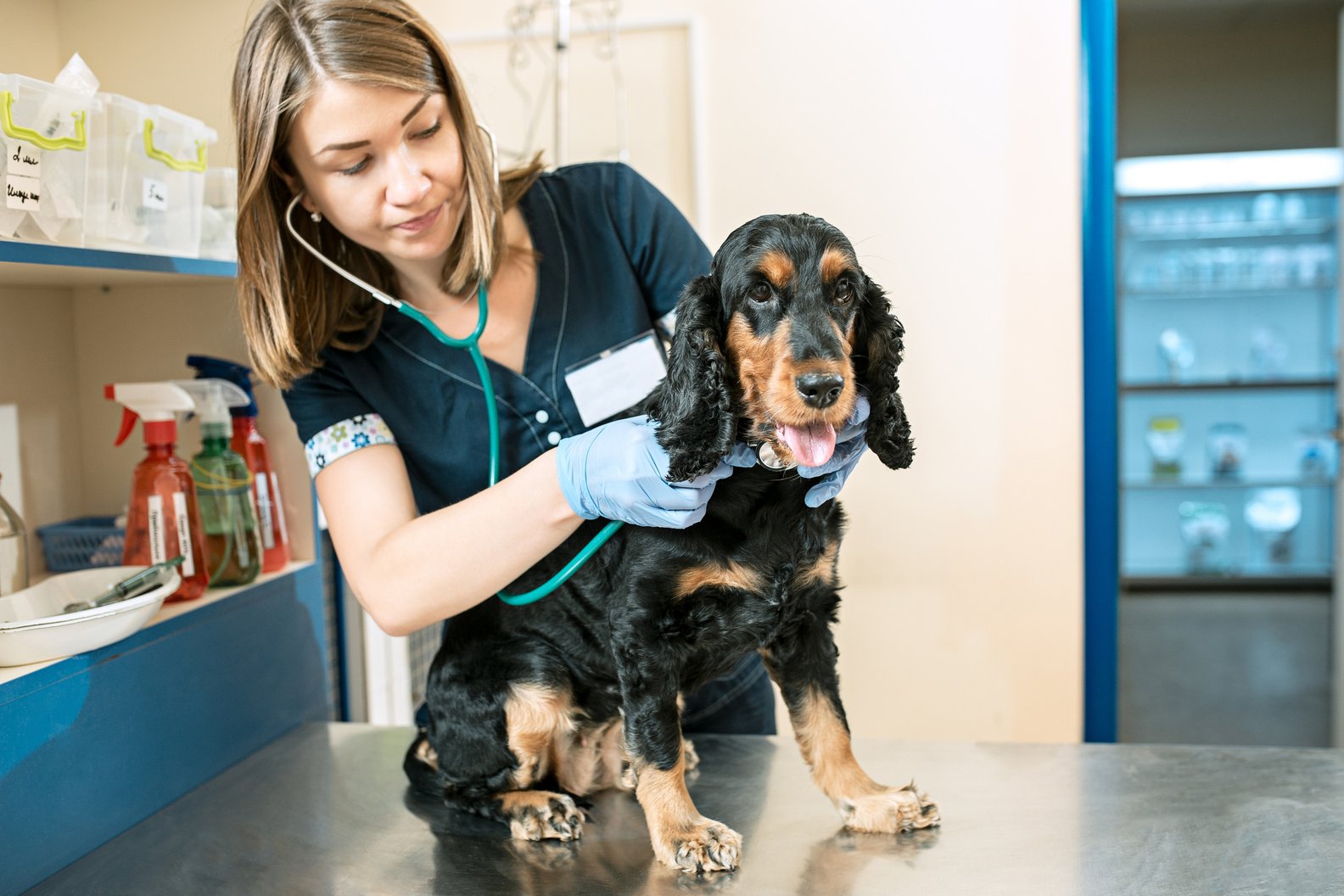
Partner with corporates and allied government departments for funding animal welfare initiatives like shelter homes, rescue operations and medical aid.

Educational Partnerships & Collaborations:

Partnering with educational institutions, both local and international, to run joint programs, workshops, or scholarships for underprivileged students. Revenue from shared grants or fees for specialized events.

Fund Utilization — Responsive Table (Full-width mobile cards)

Fund Utilization

Category Percentage Utilized Details
Education and Skill Development 40% Development of educational infrastructure — computer lab / ICC lab, library and other labs & Skill training Center.
Animal Care and Shelter 30% Renovation of shelters, ambulance procurement for animal rescue, and medical aid programs.
Community Development 20% Supporting rural agricultural programs and sustainable community development.
Operational Costs 10% Staff, logistics, and administrative costs associated with the expansion and management of projects.